
Understanding the psychological hooks that keep gamblers engaged
The Thrill of Uncertainty
One of the primary psychological hooks that keeps gamblers engaged is the thrill of uncertainty. This feeling arises from the unpredictable nature of games of chance, where outcomes are not guaranteed, creating an exciting emotional rollercoaster. The anticipation builds with every spin of the wheel or flip of a card, as players imagine the possibilities of winning. In exploring options, players often turn to top rated online casinos canada, which can heighten this thrill and stimulate the brain’s reward system, flooding it with dopamine, which reinforces the behavior and encourages continued play.

This unpredictable environment capitalizes on what psychologists refer to as variable reinforcement. Unlike fixed reinforcement, where rewards are predictable, variable reinforcement leads to a more profound emotional response. Gamblers may remember big wins or thrilling near misses, which can lead to a cognitive bias called “gamblers’ fallacy,” where players mistakenly believe they are due for a win after a series of losses. This perpetuates their engagement with the game.
Moreover, the thrill of uncertainty can lead to social bonding, as players often share experiences and strategies with fellow gamblers. This creates a community atmosphere where discussions about games and strategies can reinforce the desire to continue playing, further embedding players within a cycle of engagement. In this way, uncertainty is not just about chance but also about connection, enhancing the overall gambling experience.
Loss Aversion and the Sunk Cost Fallacy
Loss aversion is another potent psychological hook that keeps gamblers engaged. This concept, grounded in behavioral economics, suggests that people feel the pain of losses more acutely than they feel the joy of gains. As a result, when gamblers experience losses, they are often compelled to continue playing, hoping to recover their lost funds. This can create a cycle of chasing losses, where the pursuit of winning back what has been lost can lead to greater financial distress.
The sunk cost fallacy plays a significant role in this phenomenon. Gamblers often feel reluctant to abandon a game after investing time and money, believing that leaving would mean accepting a loss. This irrational decision-making process is driven by the desire to justify previous expenditures rather than making choices based on current probabilities or outcomes. Such thinking can lead to prolonged engagement, often resulting in greater losses.
Understanding these concepts is essential for both gamblers and those who seek to help them. Awareness of loss aversion and the sunk cost fallacy can empower individuals to make more rational decisions and can also guide interventions designed to promote responsible gambling practices. Ultimately, educating players about these psychological hooks can foster a healthier relationship with gambling, enabling them to enjoy the activity without falling into detrimental patterns.
The Role of Feedback and Reward Systems
Feedback and reward systems are integral to the gambling experience, employing mechanisms that keep players engaged. Many games utilize instant feedback, allowing players to immediately see the results of their actions. This instant gratification can stimulate a sense of accomplishment, whether through wins, bonuses, or other rewards. Such feedback creates a positive reinforcement loop, encouraging players to continue engaging in the game.
Moreover, the design of rewards in gambling often reflects the principles of behavioral psychology, leveraging both fixed and variable schedules of reinforcement. For example, slot machines are designed to provide intermittent rewards, creating a sense of excitement and surprise that heightens engagement. Players remain hopeful for the next big win, further solidifying their commitment to play. The allure of rewards, both tangible and intangible, plays a significant role in maintaining player interest.
The social aspect of gambling also contributes to feedback and reward systems. Many platforms and casinos have incorporated social features that allow players to compete against each other or share their achievements with friends. This not only enhances the excitement of winning but also creates a community atmosphere where players feel valued and recognized. This social validation can serve as a powerful motivator, keeping gamblers engaged long after their initial interest may have waned.
The Impact of Marketing and Environment
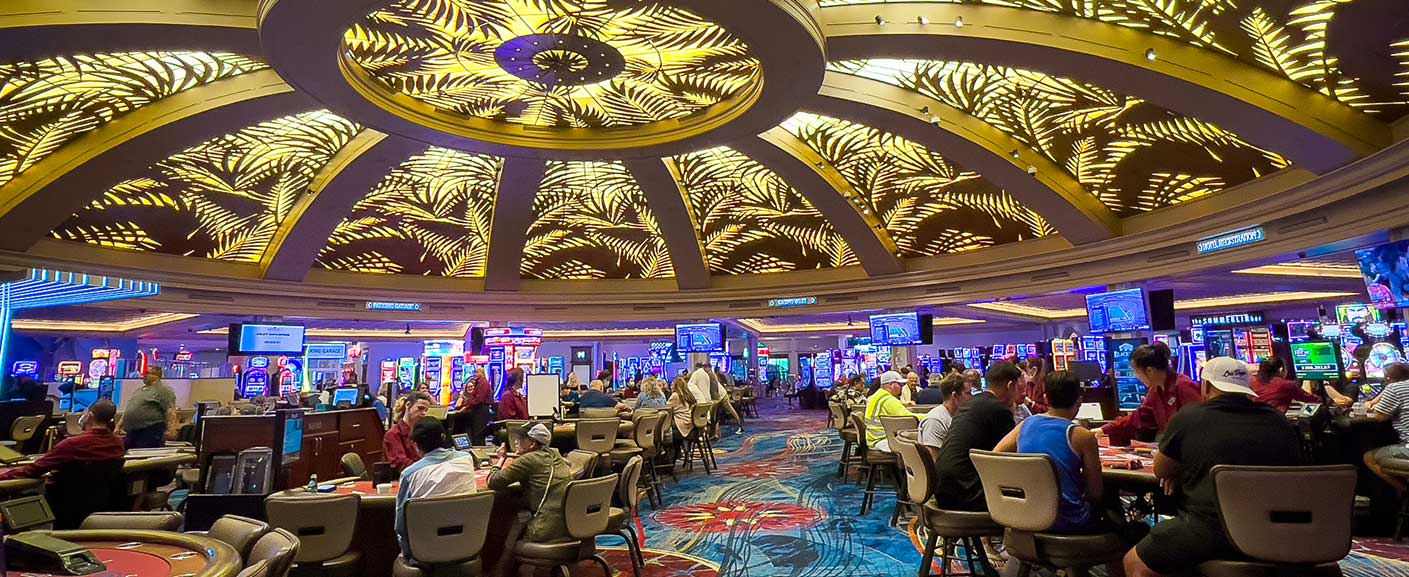
The environment in which gambling takes place can significantly influence player engagement. Casinos and online gambling sites are designed to create an immersive experience, often employing vibrant colors, engaging sounds, and strategic layouts that encourage exploration and play. This sensory overload can heighten emotional responses, making it difficult for players to leave once they start gambling.
Marketing strategies also play a crucial role in maintaining engagement. Promotions, bonuses, and loyalty programs are tailored to attract players and keep them returning. These strategies often exploit the psychology of scarcity, where limited-time offers create a sense of urgency. Players may feel compelled to act quickly to take advantage of these opportunities, further intertwining their interests and actions with the gambling experience.
Furthermore, the use of personalization in marketing can enhance engagement levels. Tailoring promotions to individual players based on their behavior, preferences, and play history can create a sense of exclusivity. When players feel valued and understood, their loyalty increases, which can lead to prolonged gambling activities. This personalization can make it easier for players to ignore warning signs of problem gambling, as they become more deeply embedded in the allure of these tailored offers.
Conclusion: Reflecting on the Complexity of Gambling Engagement
Understanding the psychological hooks that keep gamblers engaged is vital for promoting healthier gambling practices. Recognizing elements such as the thrill of uncertainty, loss aversion, feedback and reward systems, and the impact of marketing can help players become more conscious of their habits. This awareness can empower them to make informed choices, potentially reducing the risk of problem gambling.
The engagement of gamblers is complex, shaped by cognitive biases, emotional responses, and environmental factors. By dissecting these elements, we can foster a more responsible gambling culture that prioritizes player well-being. The gambling industry can benefit from acknowledging these psychological factors and implementing strategies that emphasize responsible gambling while still delivering enjoyable experiences.