
The Nature of Casino Games
Casino games can generally be categorized into two distinct types: those that rely primarily on luck and those that incorporate a significant degree of skill. Games such as slot machines and roulette are often cited as luck-based, where outcomes are determined by random number generators or spinning wheels. In these cases, the player has minimal control over the result, making the role of chance paramount, especially when considering the instant casino withdrawal time for their earnings. Understanding this distinction between luck-based games and skill-based games is crucial for players seeking to maximize their potential winnings.
On the other hand, games such as poker and blackjack blend chance with player skill. In poker, for instance, while the cards dealt are random, the ability to read opponents, bluff effectively, and make strategic decisions heavily influences the outcome. Skilled players can utilize their knowledge and experience to improve their chances, navigating the uncertainties of chance with a critical edge. This interplay between luck and skill creates a complex environment that challenges players to adapt and evolve their playstyles.
The house always maintains a statistical advantage in casino games, known as the house edge, which varies among different games. In luck-based games, the house edge tends to dominate, while in skill-based games, adept players can sometimes overcome this advantage through careful strategy and consistent practice. This fundamental understanding of luck versus skill is essential for casino enthusiasts, shaping their approach to gaming and influencing their overall experience.
The Role of Luck in Casino Gaming
Luck plays an undeniable role in determining outcomes in numerous casino games. For example, in a game of slots, a player’s success hinges on whether the reels align favorably, an event that is purely random. Factors such as the timing of spins and the type of machine can influence a player’s experiences, but ultimately, winning is a matter of chance. Many players are drawn to these games for the thrill they provide, often celebrating the excitement of unpredictability, even if it means losing more often than winning.
Moreover, luck can sometimes lead to extraordinary wins. There are numerous anecdotes of players hitting massive jackpots on slots or winning big in a single round of roulette, often leading to a sense of exhilaration and euphoria. These stories become folklore within the gaming community, inspiring newcomers to believe that they, too, can strike it rich. However, the fleeting nature of luck must be acknowledged; while it can fuel wins, it is not a reliable pathway to consistent success.

The entire structure of luck-based games is crucial for casinos, as they rely on the randomness of outcomes to entice players. Casinos design these games to be entertaining and rewarding, yet they ensure the odds remain in their favor. Understanding this reliance on luck helps players manage their expectations, encouraging them to embrace the enjoyment of the game rather than focus solely on financial outcomes. The unpredictability of luck is what makes casino gaming thrilling, but it can also serve as a double-edged sword for those seeking a more calculated approach.
The Importance of Skill in Certain Games
While luck can often dictate immediate outcomes in many casino games, skill becomes increasingly important in others. In games like poker, players must develop strategic thinking, emotional intelligence, and mathematical skills to succeed. A seasoned poker player knows how to calculate odds, assess the strength of their hand relative to their opponents, and exploit weaknesses in gameplay. This depth of skill illustrates how a player’s decision-making can significantly sway the odds in their favor.
Blackjack is another game where skill can change the dynamics significantly. Players can use strategies like card counting and betting systems to mitigate the house edge. Unlike luck-driven games, in blackjack, players are empowered to make choices that affect their outcomes, demonstrating that while luck determines the initial deal, it is the players’ skills that can lead to optimal decisions. This empowerment leads many casino enthusiasts to prefer skill-based games, as they feel more in control of their destiny.
Ultimately, the role of skill in casino gaming highlights the importance of practice and dedication. Players who invest time in learning strategies and honing their skills tend to experience more consistent success over time. This perspective can alter the entire experience of casino gaming, transforming it from a mere game of chance into a mental competition where knowledge and expertise offer significant advantages. For those willing to put in the effort, mastering these games can elevate their gaming experience to new heights.
The Balance of Luck and Skill
Finding a balance between luck and skill is crucial for players looking to navigate the casino landscape. Successful gaming strategies often involve recognizing when to rely on instinct and when to apply learned skills. For example, many experienced players will accept that in luck-based games, they must relinquish some control, while in skill-based games, they can harness their knowledge to influence outcomes positively. This adaptive approach can be applied across various gaming environments, creating a more nuanced understanding of gameplay.
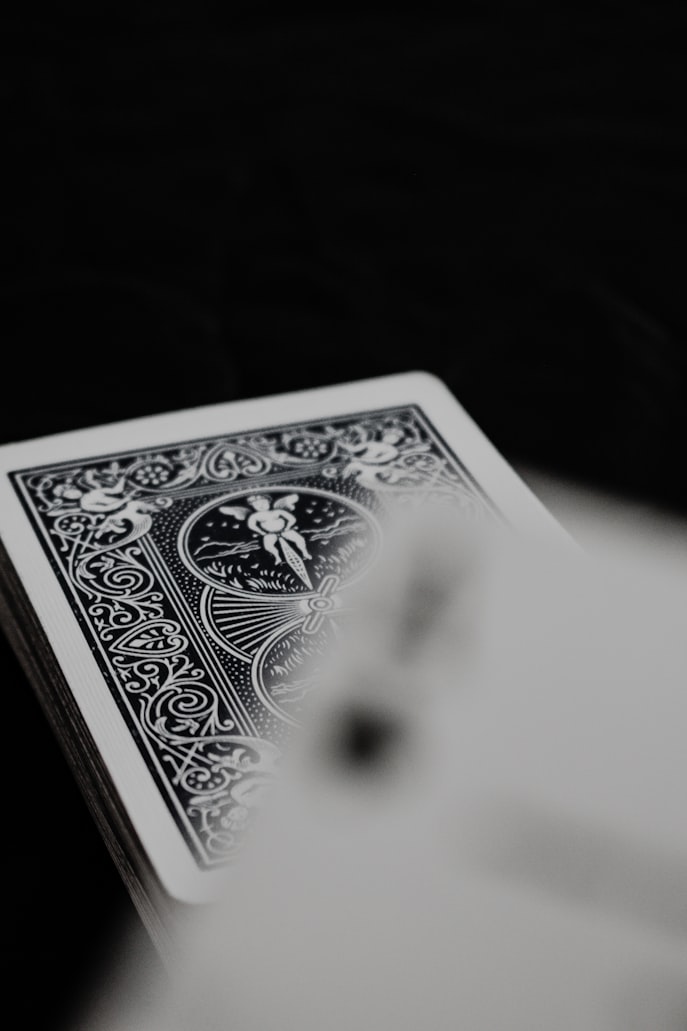
The interplay between luck and skill also contributes to the social aspect of casino gaming. Players frequently engage in discussions about strategies, share tips, and recount their lucky streaks, fostering a sense of community. This camaraderie can enhance the overall experience of gambling, as players learn from each other and celebrate both skillful plays and lucky breaks. Additionally, the stories that circulate within casino circles often bridge the gap between novices and seasoned players, promoting a culture of learning and sharing.
Ultimately, recognizing the fluid relationship between luck and skill can help players approach casino gaming with a healthier mindset. Rather than fixating solely on winning, players can enjoy the process and understand that both luck and skill contribute to the experience. This balance can enhance enjoyment, encourage social interactions, and even lead to improved performance over time. As such, players should celebrate both their victories and the unpredictable nature of the games they love.
Explore More About Casino Gaming
Understanding the dynamics of luck and skill in casino gaming can profoundly affect how players approach their experience. By recognizing the differences in game types and the roles that luck or skill play, players can better strategize their gameplay, manage their expectations, and ultimately enhance their enjoyment of the gaming environment. Whether one’s preference leans towards the excitement of chance or the mastery of strategy, there is something for everyone in the world of casino gaming.
To delve deeper into the nuances of casino gaming, players can engage with online platforms offering insights, tips, and community support. These resources can help players refine their skills, learn about different games, and connect with fellow enthusiasts. By utilizing available information, players can empower themselves to make informed choices in their gaming pursuits, navigating the complexities of luck and skill more effectively.
As the landscape of casino gaming continues to evolve, staying informed about trends, strategies, and emerging games can provide players with a competitive edge. Embracing both luck and skill creates a holistic approach to gaming, fostering a deeper appreciation for the artistry and strategy involved. By exploring and understanding these elements, players can embark on a fulfilling journey through the vibrant world of casino gaming.